 Версия для слабовидящих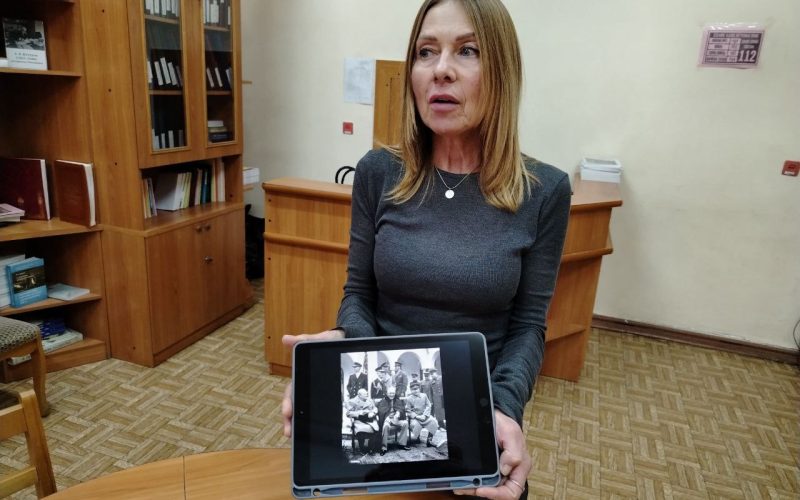
Raglan Sleeve. It was Baron Raglan who gave his name to a diagonally cut sleeve extending to the neckline. In December 1853 the winter in Balaclava was extremely cold. Cold weather set in and the British army faces problems in supplying warm clothing. Baron Raglan had the idea of using potato sacks to dress the soldiers: a hole for the head, two slanting notches for the arms. Thus the Raglan sleeve was born.
Baron Raglan popularized this way of assembling the shoulder by incorporating it in his own ceremonial uniform. The baron who lost one hand during a battle sees the raglan sleeve as a way to regain his autonomy in getting dressed and riding.
Cardigan. Cardigan was named after James Brudenell, 7th Earl of Cardigan, a British Army Major General who led the Charge of the Light Brigade at the Battle of Balaclava during the Crimean War. It is modeled after the knitted woolen waistcoat that British officers supposedly wore during the war. Brudenell invented the cardigan after noticing that the tails of his coat had accidentally burnt off in a fireplace.
Balaclava. A piece of head gear was used in the 19th century. Its name comes from their use in 1854 Battle of Balaclava during the Crimean War, referring to the town of Balaklava near Sevastopol, where British troops there wore knitted headgear to keep warm. Handmade balaclavas were sent over to the British troops to protect them from the bitter cold weather. The troops required this aid, as their won supplies never arrived in time. The name ‘balaclava helmet’ came into use much later – in 1881.
Balaclava raglan. A fashionable cap of a peculiar design combining balaclava shape and elements of raglan.
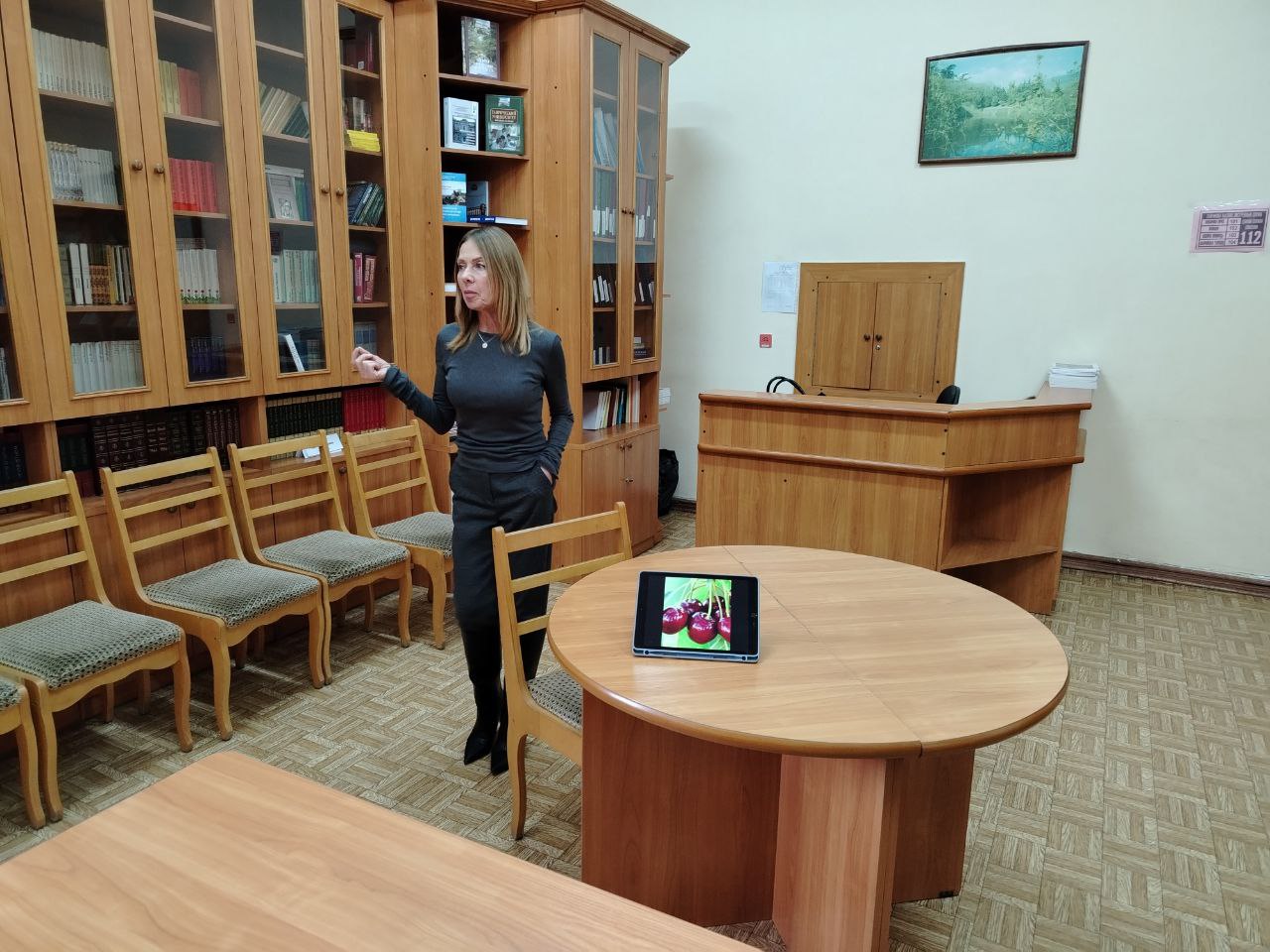
Sweet Cherry originated from Turkey, Crimea and the Northern Black Sea region, from where it was imported to Europe and England to become a delicious dessert.
Cheburek. A traditional national dish of the Crimean Tatars. This deep-fried, meat-filled turnover spread throughout the former Soviet Union, Turkey, Caucasus and Central Asia, becoming a popular street food known for its crispy pastry and juicy filling.
Double-headed eagle is found on the coat of arms of the Russian Empire. It is a symbol of the power and knowledge inherited from Rome via Byzantine Empire in 988 when Prince Vladimir married Princess Anna and was baptized. The ceremony was held in Chersonesus (present day Sevastopol) known as Korsun’, the main town of the Byzantine colonies in Crimea in the middle ages.
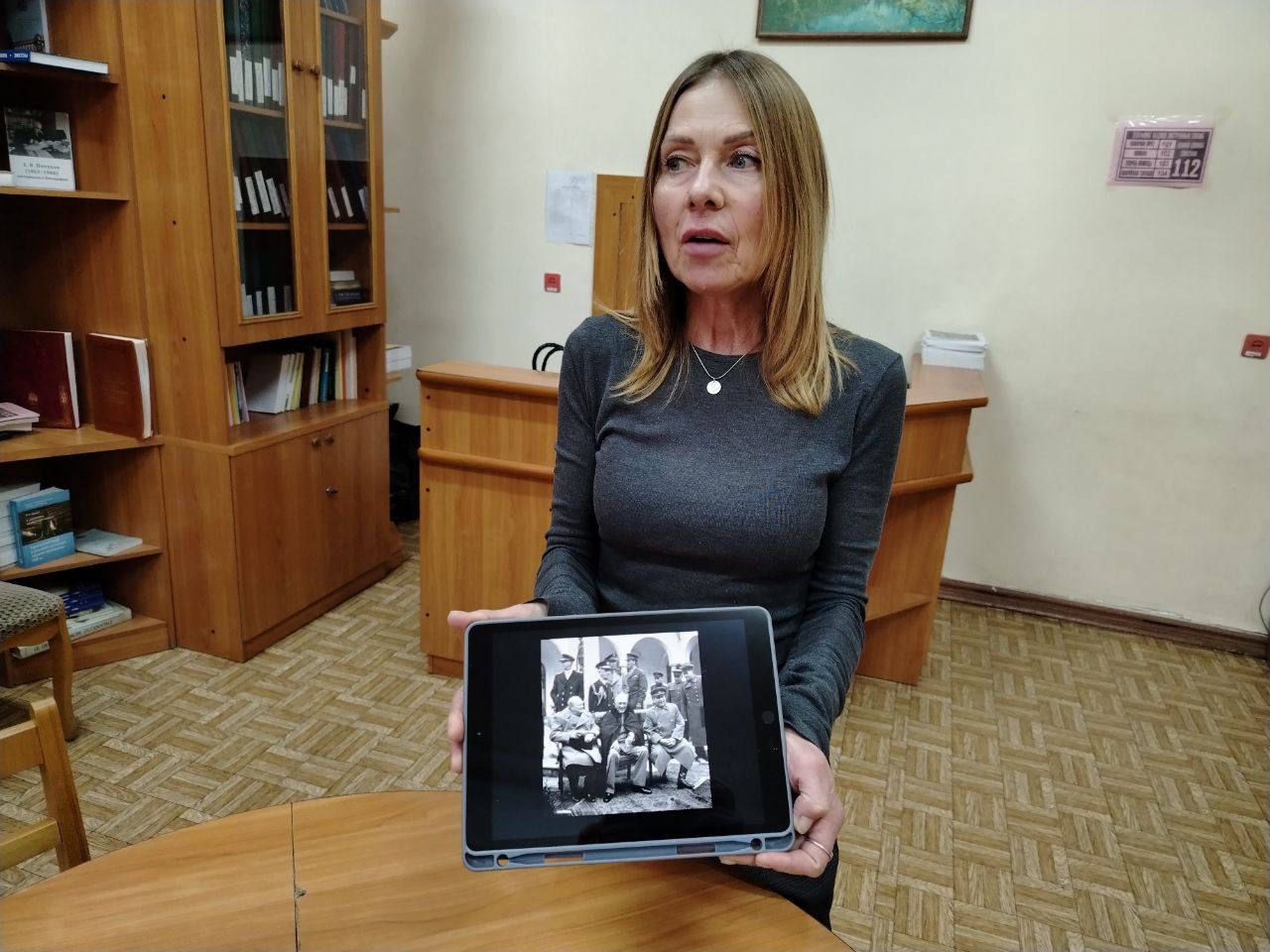
The Big Three met in Levadia on February, 4-13 1945 to sign the peace treaty and other documents that determined the world politics for the second half of the 20th century.
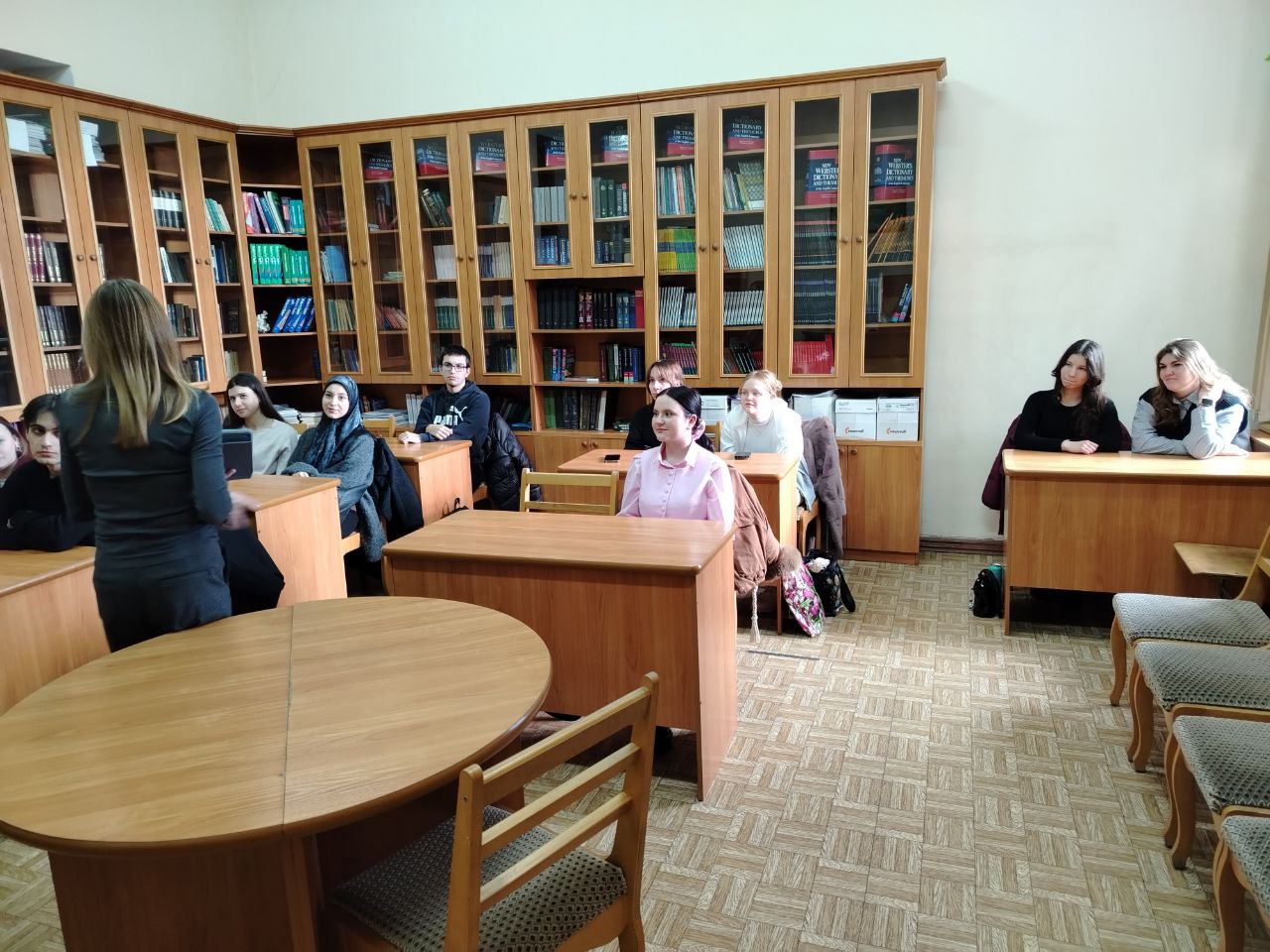
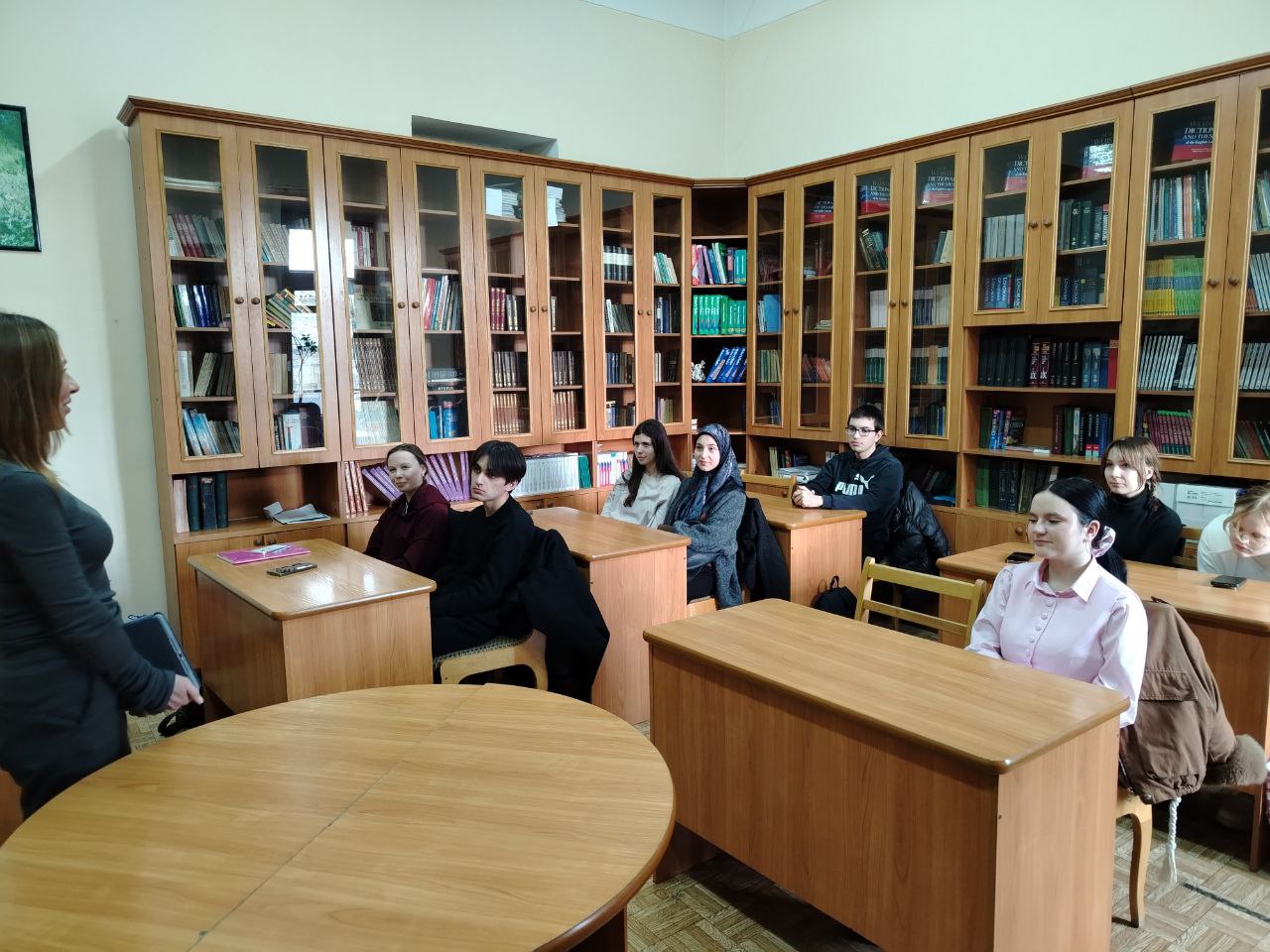
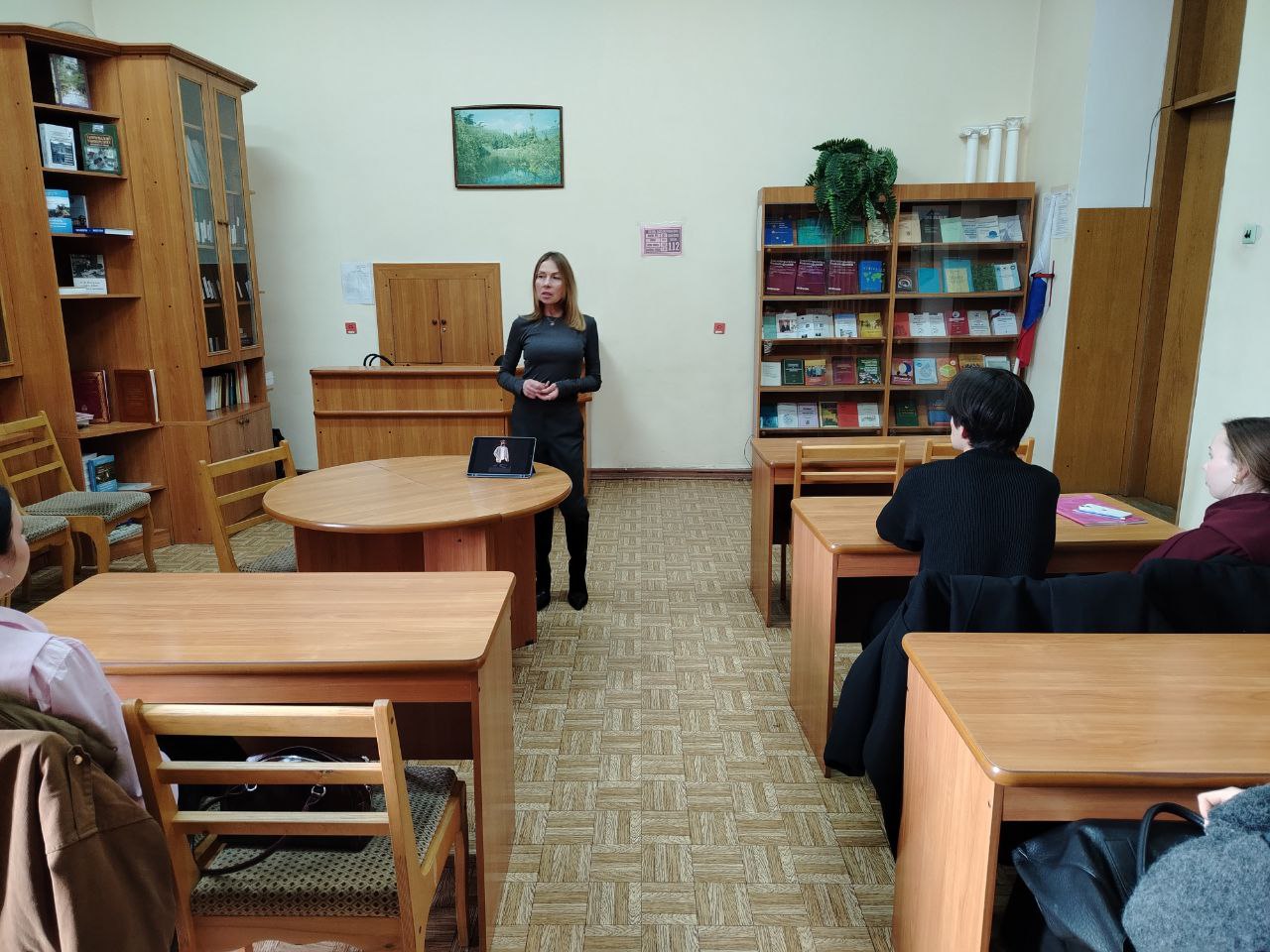
Студенты первого курса института филологии приняли участие в мастер-классе по крымоведению на тему: «Крым в англоязычном дискурсе». Мероприятие прошло в неформальной атмосфере в виде беседы об особенностях крымской природы, истории и культуры в контексте мировой культуры. Особое внимание уделили событиям на Крымском полуострове после воссоединения Крыма с Россией и их отражению в англоязычном дискурсе. Спасибо студентам за заинтересованность и активное участие.